Das Konzept
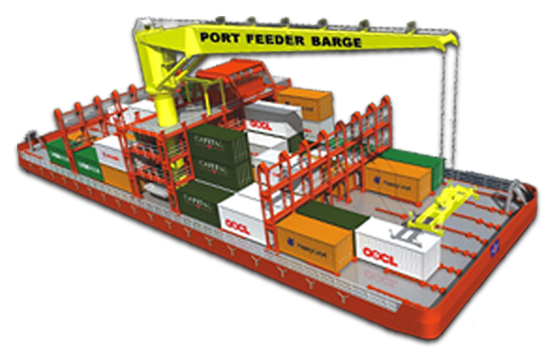
Die Port Feeder Barge soll als grüne Logistikinnovation die interne
Containerlogistik des
Hamburger Hafens leistungsfähiger und gleichzeitig deutlich klimafreundlicher und emissionsärmer gestalten.
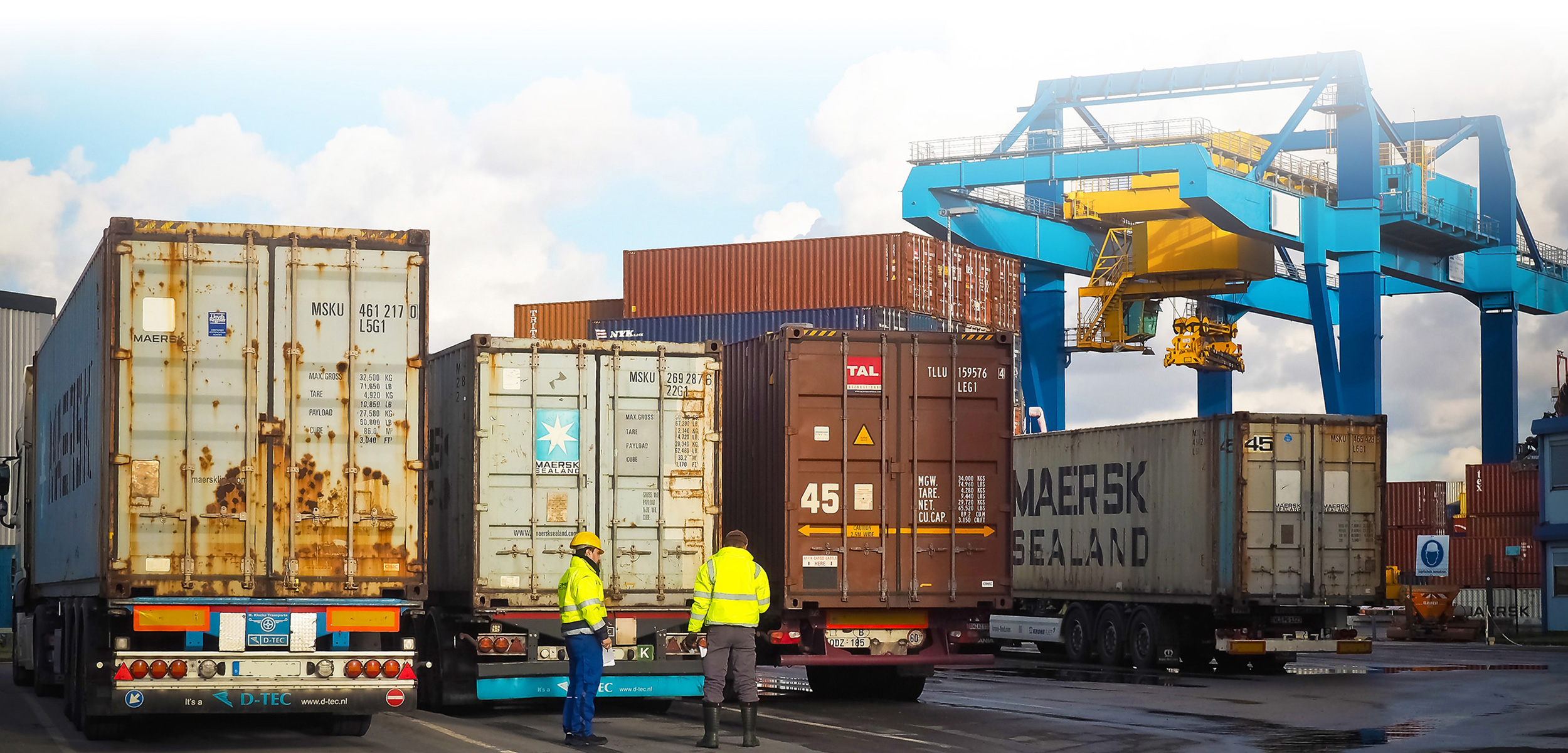
Das neuartige Fahrzeug bietet für die zahlreichen Containertransporte, die innerhalb des Hafens erfolgen
("Umfuhr") und derzeit noch zu ca. 95% mit dem Lkw durchgeführt werden, eine attraktive und
umweltfreundliche Alternative auf dem Wasser.
Daneben soll die Port Feeder Barge im Rahmen des Hafenhinterlandverkers für die
Binnenschifffahrt als "schwimmendes Terminal" fungieren und damit die Attraktivität dieses klimafreundlichen
Verkehrsträgers steigern, indem sein "intermodaler Anschluss" im Seehafen deutlich verbessert wird.
Im Rahmen ihrer täglichen Rundreise durch den Hafen soll die Port Feeder Barge alle großen
Umschlagsbetriebe regelmäßig miteinander verbinden. Bei Bedarf werden auch kleinere Anlagen bedient. An
einer zentralen Stelle wird zusätzlich ein Liegeplatz eingerichtet, an dem die Port Feeder
Barge direkt auf Binnenschiffe umschlägt.
Der Antrieb der Port Feeder Barge erfolgt mit klimafreundlichem und äußerst emissionsarmen LNG
(Liquified Natural Gas). Auch eine Version mit Wasserstoffantrieb über Brennstoffzellen ist möglich.
Die Port Feeder Barge soll drei Problemfelder im Hamburger Hafen bedienen:
The Concept
The Port Feeder Barge is a green logistic innovation for ports. This
new type of harbour vessel has been
especially designed to improve container logistics within and around ports while shifting container haulage
from road to waterway in order to…
- significantly ease congestion on the roads within and around ports,
- release the terminal gates,
- reduce GHG emissions from container trucking within and around ports,
- protect infrastructure within and around ports (roads and especially heavily burdened bridges),
- cut costs for intra-port container haulage to improve the competitiveness of the port as a whole.
Being a smart alternative to road haulage the Port Feeder Barge can connect all container
handling
facilities with water access even if they do not have their own quayside cranes. Undertaking ship-to-ship
operation the Port Feeder Barge can act as a 'floating terminal' itself.
The Port Feder Barge can operate carbon neutrally when it is fuelled by HVO 100, green methanol
or hydrogen.
Batteries charged with green electricity are another option.
The Port Feeder Barge targets three business fields: